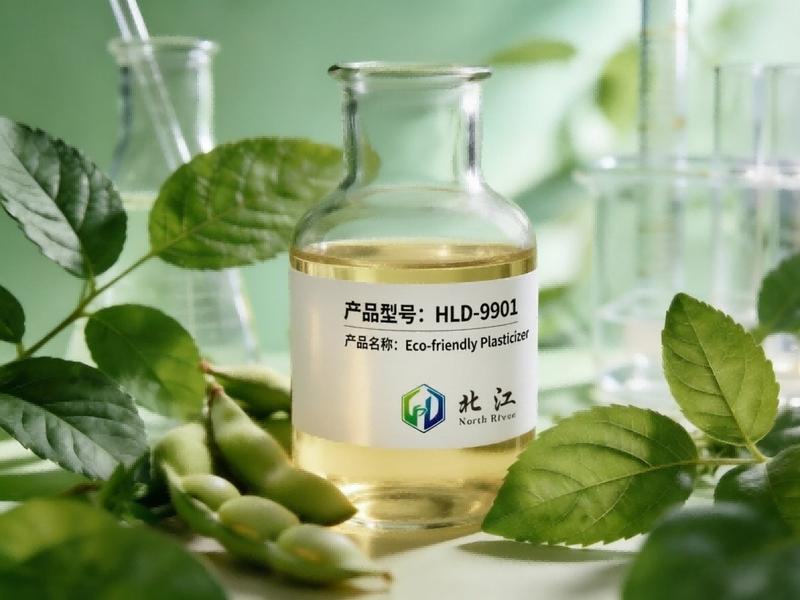
Starting which analysis relating to Processed Pulse Oil (ESO)
{Growing apprehensions involving mainstream compounds demonstrate prompted their search for effective options. Oxidized soybean lipid (ESO) appears as a encouraging alternative. Sourced from a plant-based origin, ESO grants a notable lowering in dependence on synthetic fuels and plays to a improved recyclable model. In addition, ESO provides good flexibility and compatibility to numerous compound constituents, permitting it a well-suited alternative for a diverse spectrum of tasks.
Subdued-Scent Medicinal Class ESBO: Satisfying Strict Requirements
Recent development of low-odor medical grade ESBOs represents a fundamental breakthrough in patient care and satisfaction. Traditional ESBOs often possess noticeable odors, which can be unwelcome for both patients and healthcare workers. Our new formulation utilizes leading technology to curb odor generation, fulfilling rigorous official standards. These ESBOs are constructed from superior materials and undergo extensive testing to affirm biocompatibility and maximum performance. In particular, this good addresses the growing need for low-impact procedures with a favorable patient experience.
- Grants exceptional odor control.
- Obeys applicable healthcare regulations.
- Developed for highest patient comfort.
High Resistivity ESBO: Enhancing Electrical Properties in Plastics
Particular advanced tactic, Electrostatic Barrier Configuration (ESBO), provides a favorable approach for strengthening the energy properties of several plastic stuff. By precisely adjusting top current patterns, ESBO develops extremely electrically resistant coatings on the material base, efficiently reducing entire movement. That byproducts cause to heightened electrical protection and likelihood for uses in regions notably malleable instruments and high-voltage barrier configurations.Eco-Friendly Additive: ESBO's Role in Natural Polymer Markets
That growing pressure for renewable components has driven experts to research counterparts to conventional plasticizers. Featuring ESBO (Epoxidized Soybean Oil), this renewable plasticizer obtained from soya – fulfilling key job in enabling environmentally protective fabrication of numerous polymer uses. Its power to strengthen adaptability and operation albeit reducing environmental footprint establishes ESBO attractive select for organic-polymer sealants and assorted elastomer outputs.ESBO Performance: Comparing Grades and Applications
Analyzing ESBO's performance requires a close look at both academic grades and the number of submitted applications. Typically, a notable correlation surfaces between noteworthy classifications and the expectation of productive forms; however, aspects such as entrant's expertise and supplementary involvement can too play a serious contribution.
Recognizing Epoxidized Soybean Oil (ESBO) and its Benefits
Epoxidized legume Oil (ESBO) stands for a processed form of soybean oil, fashioned through a chemical process that associates epoxy groups. That brings about a distinct plasticizer and stabilizer, widely utilized in the resin industry. ESBO works primarily as a substitute for harmful phthalate plasticizers, affording a more nature-friendly solution. Discover the key benefits:- Enhances flexibility and strength of resins
- Lessens the need for toxic phthalates
- Presents excellent heat resistance
- Plays as a shield against degradation
- Encourages a greener creation process
Medical Instruments Manufacturing: Using Low-Odor ESBO
Emerging trends in medical technology manufacturing are emphasizing a conversion toward cleaner processes. A crucial component of this is the application of low-odor ESBO (Embossed, Stuccoed, Bonded, and Oven-cured) polymers. Traditional ESBO manufacturing can produce noticeable essences, posing a concern for workforce health and total facility milieu. Low-odor ESBO solutions cut these exhalations, generating a enhanced environment and feasibly alleviating the call for significant ventilation.- Gains include improved air cleanness.
- Lowers exposure to potentially damaging VOCs.
- Fosters conformity with tough environmental protocols.
Boosting Plastic Durability: The Power of High Resistivity ESBO
Increase plastic' enduring operation through exceptional obstruction Electronically Stabilized Biphenyl Olefin – ESBO. That state-of-the-art approach substantially curtails corrosion caused due to hostile aspects, like ultraviolet energy along with constant stress. Its unique electrostatic behavior form unique insulating repercussion, resulting to longer use along with heightened element performance.
ESBO: Upcoming Trends in Softeners
Surfacing as a notable choice to traditional, petroleum-based agents, ESBO (Ethyl Soyate-based Oligomers) is rising considerable recognition within the resins industry. Derived from beans, this bio-based mixture offers a eco-conscious profile and the prospect to mitigate the carbon impact of polymer-based PVC and other operations. Introductory assessments indicate remarkable efficacy comparable to established plasticizers, suggesting ESBO could be a vital part in shaping the future of the formulating market.Drawing High resistivity epoxidized soybean oil to a close current exploration.