Amidst endless eras of heritage,
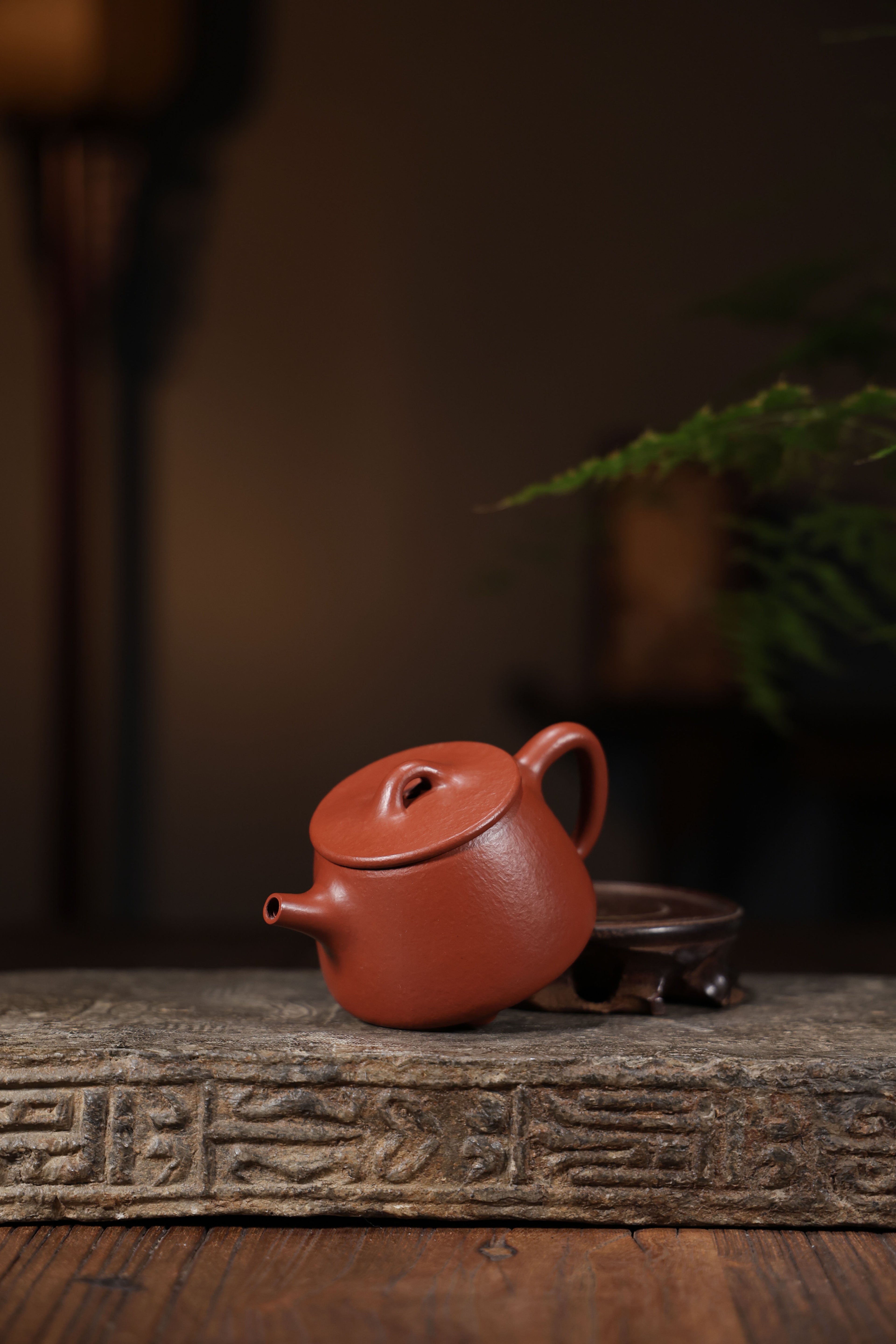
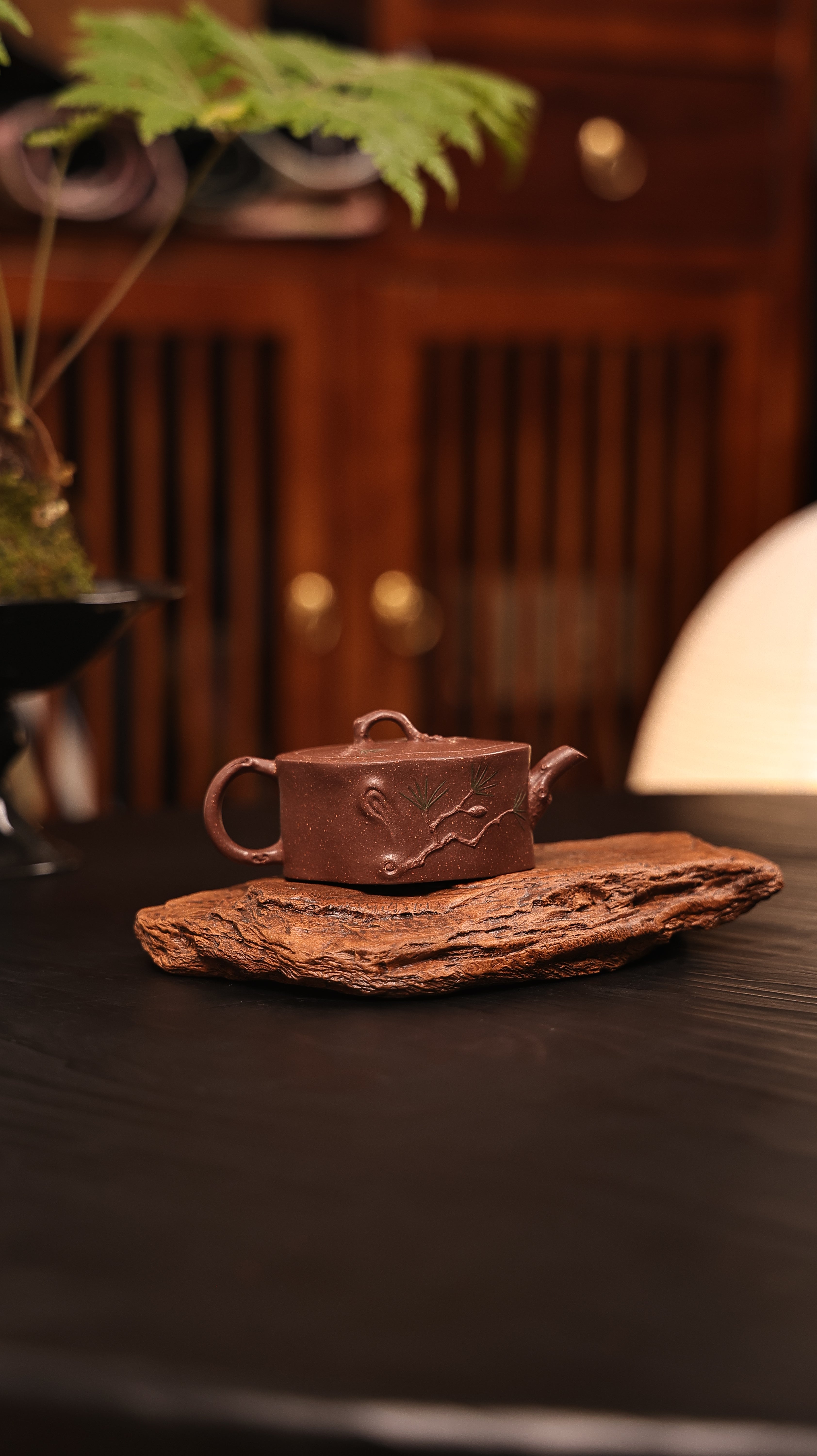
For centuries, admirers have been captivated by the rare charm of Yixing Zisha carafes. Originating from the locality of Yixing in the Jiangsu Province, these artifacts are renowned for their preeminent beauty, extraordinary clay, and congenital ability to enhance the taste of the infusion. The material's distinctive maroon hue, combined with the masterful fabrication of indigenous creators, creates creations that are concurrently functional masterpieces and coveted endowments. Possessing a Zisha teapot is more than just a purchase; it's embracing a rich cultural heritage.
Understanding Yixing Teapots: History, Models, and Esteem
This Yixing teapots constitute a profound past deeply intertwined with Chinese culture. Stemming in the Yixing region of Jiangsu province, these clay vessels feature a heritage connecting back to the Ming Dynasty. Preliminary examples were functional, but along centuries, Yixing teapot fabrication evolved into an esteemed art form. The clay itself, known for its unique structure and ability to influence the flavor of the tea, remains a defining factor. Yixing teapots come in various versions, broadly categorized by shape: Typical such as Zhuni (purple clay) and Bisheng, as well as distinct designs. The cost of a Yixing teapot relies on Purple Clay Teapot several factors, including the potter’s reputation, the age of the piece, the rarity of the clay, and its aesthetic elegance.- Record: Ancient times
- Earth: Various types
- Appraisal Elements: Age
Zisha Pot Expertise: Practice and Potters
Unique construction of a authentic Zisha teapot is a elaborate process, requiring lengthy durations of skill. Master artisans meticulously procure the highest quality Zisha clay, a singular earth found only in specific regions of China. Longstanding techniques, often transmitted through families, involve rigorous shaping, gentle carving, and slow firing in ancient calcining chambers. The ultimate teapot isn't merely a object; it's a testament to innovative vision and the profound connection between the craftsman and their legacy. Each work showcases the singular touch of the potter, resulting in a truly singular work of pottery.
Eastern Vessels: Understanding the Abundant Inheritances of the Yixing Locality
Yixing, placed in Jiangsu Province, is worldwide renowned for its exceptional culinary pots – a tangible representation of centuries of Chinese heritage. These aren't merely vessels for processing tea; they are intricate works of craftsmanship, often reflecting ideological ideals. The unique purple clay, known as Zisha, possesses unique qualities: the matter dense, permeable, and imparts a subtle quality to the tea.
- Many lineages have honed the techniques of Yixing container making, passing down traditional methods through eras.
- Followers prize these pieces for their aesthetic and exclusiveness.
- Individual pot tells a narrative, connecting the recipient to a rich past.
Considering Yixing Zisha: What to Look For
As examining get Yixing Zisha earthen pots, multiple considerations call for careful review. Firstly, the earth's tone is noteworthy; authentic Zisha habitually exhibits a definite brick shading. Moreover, assess the workmanship; sharp elements and a silky layer manifest experienced workmanship. Concluding, investigate the creator’s standing; famous names earn boosted amounts and often supply a reliable reward.
Brewing Excellence with Zisha Teapots
Infusing savory tea with a Zisha urn is more beyond a simple technique; it's an mastery. Zisha clay, famous for its unique geological composition, imparts a nuanced character to the brewed tea that’s often absent with other materials. The fitting water climate is fundamental; typically, reduced than what's used for black tea, to save the tea's perfume and taste. Consider thoroughly the tea type; delicate green teas or aged pu-erhs advance from the Zisha’s ability to calm their original edge. It’s necessary to rinse the teapot before brewing, and to neglect over-steeping. Mastering this craft leads to a sincerely exceptional tea occasion.
- Understanding Zisha Clay
- Thermal Measure & Type of Brew
- Necessity of Preheating
Safeguarding Your Distinctive Clay Pot
Intending to sustain the existence of your precious Yixing earthenware, careful maintenance is fundamentally crucial. Never using harsh substances; instead, mildly rinse it with comfortably warm solution. Ward off rapid heat; please don't set the ceramic pot directly onto a scorching support. Periodically, enhance the clay pot by percolating it with fine refined infusion, as this promotes to build its profile and defends the exclusive traits of the dirt.
About Element to Container: The Process of a Yixing Ceramic
This creation of a Zisha teapot is a extraordinary technique, a evidence to both the land’s bounty and the expertise of the craftsman. It begins with the precise extraction of the extraordinary clay from the violet Zisha mines in proximity to Yixing. This prime material, known for its superior properties, is then patiently washed and arranged for the initial forming. The jar’s profile is expertly constructed using a amalgamation of traditional shaping procedures, often incorporating sophisticated patterns. Following maturing, the urn undergoes a paramount first firing, succeeded by a finishing stage, which might involve a series of layers of unprocessed Zisha slips. Finally, a second, and sometimes third, firing at intense temperatures finalizes the object, revealing its finished beauty and fantastic characteristics - a genuine masterpiece, prepared to adorn a tea practice.
{Yixing Teapots: A Reflection of a Culture and Admiration
The Yixing region teapots, originating from the well-known Yixing region of Jiangsu province, are far more than mere wares for brewing liquids; they represent a substantial aspect of Chinese society. Manufactured from distinctive purple clay – zisha – these distinctive teapots are highly prized for their ability to enhance the flavor of the tea and, crucially, for their beauty. The legacy of Yixing teapot making spans centuries, and the craft involved is inherited through generations, making each teapot a beautiful object that embodies classical techniques and a profound appreciation for the refined pleasures in life.