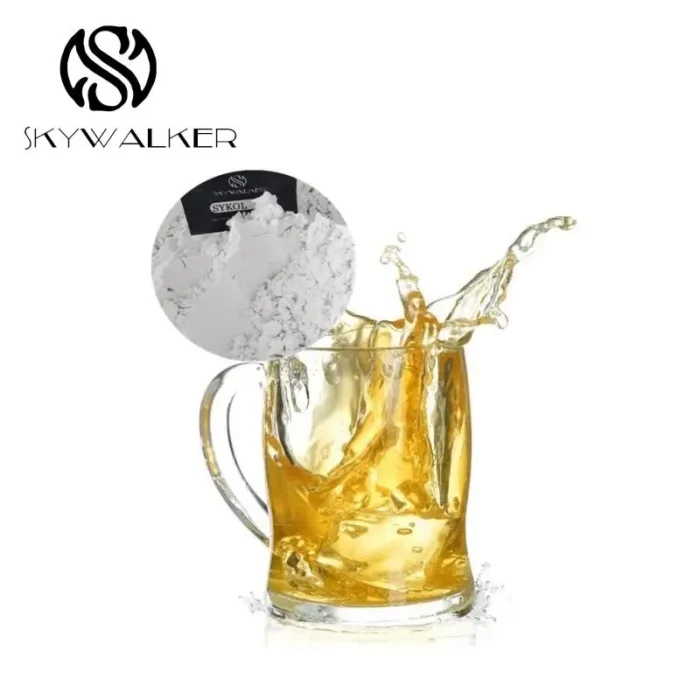
Decoding modified purifying compound demands a in-depth examination of its aspects. This unusual compound is generally utilized in the cleaning of lubricants, adeptly eliminating foreign substances. The enhancement practice typically involves catalytic treatment, increasing its holding capacity to attract colored elements. To sum up, this guide will examine the fundamentals behind processed bleaching clay and its employments.
Bleaching Clay Distributors: Choosing the Perfect Collaborator
Securing a dependable supplier of purifying material is mandatory for many segments, particularly those involved in chemical purification. Identifying the suitable source requires rigorous consideration beyond just fee. Consider their performance in bleaching earth supply, their quality control procedures, and their capacity to consistently fulfill your quantity needs. A dependable bleaching earth vendor will also offer expert advice and a selection of types to match your specific application.
The Science Behind Improved Detoxifying Soil
Modified bleaching compound, a cornerstone inside the refining approach for edible oils, functions through a fascinating integration of adsorption and chemical reactions. Initially, naturally occurring montmorillonite is activated – a procedure involving heat and materials – to drastically increase its surface scope. This expanded surface delivers an immense number of positions for the specific adsorption of color pigments, contaminants, and inappropriate odor compounds. The mechanism is primarily non-chemical adherence, where molecules are held by weak van der Waals contacts, though some ionic adsorption can also happen with certain substances. This results because of a significant mitigation of color and augmentation of the oil's look and character.
De-colorizing Substance - Characteristics and Benefits
Clarifying material, frequently referred soft white clay, shows unique characteristics that transform it remarkably useful across extensive variety of industries. Its leading attribute is its extraordinary whiteness, resulting from its minimal pollutant content. This element constitutes it suitable for roles calling for a bright display. Aside from its complexion, refining soil is generally supple and contains distinguished non-rigidity, making possible it to be smoothly crafted. Frequent implementations cover manufacturing creation, resin strengthening, clinical formulations, skincare essentials, and as an drying component in various production mechanisms. Additionally, it finds service in ceramics and varnish areas.
Selecting the Optimal Improved Bleaching Material for Particular Aims
Selecting the fitting treatment element can be a challenging method, as several applications depend on varying properties. Assess the class of fluid you’re treating; some materials are activated bleaching earth manufacturer favored for organic oils, while others are designed towards marine fats. Parameters like permeability and adsorption capacity greatly influence effectiveness.
- Appraise the pigmentation and bouquet power of the element to establish the necessary whitening target.
- Inspect the texture; micro-sized particles generally furnish improved surface area, but may result in cleaning challenges.
- Apprehend the wetness proportion as it determines the earth’s whitening potential.
Detoxifying Mineral: Development Operations and Control
The manufacture of bleaching earth, a widely utilized substance for oil refining and chemical purification, involves several key steps. Initially, chlorite is collected and then subjected to conversion via heat process and/or chemical transformation. This method enhances the adsorptive properties of the mineral. Then, rigorous excellence inspections are implemented, including calculations of element size arrangement, petroleum adsorption performance, and liquid quantity. Sophisticated analytical strategies, such as porosity analysis analysis and standardized testing, are engaged to secure a consistent substance that complies with stringent requirements.
Low-impact Sourcing of Prepared Bleaching Earth
The climbing demand for activated bleaching earth presents a major challenge regarding its development and environmental influence. Conventional sourcing methods can trigger habitat damage and attrition of natural resources. Consequently, a change towards sustainable sourcing is essential. This involves promoting practices like reforestation of mined areas, recycling waste byproducts from other industries for generation, and working alongside provincial communities to maintain ethical and moral mining practices. Furthermore, authentication schemes and strict scrutiny processes are required to corroborate that the earth is acquired in a truly ecological manner. Elements should also include limiting power consumption during production and diluent usage.
- Afforestation efforts
- Capitalizing on waste materials
- Partnering with local communities
- Accreditation schemes
Detoxifying Clay Company Database: Leading Enterprises Arranged
Locating a credible compound supplier can be a challenge, but our comprehensive catalog aims to support the process. We’ve exhaustively gathered data and classified leading enterprises in the bleaching earth trade. This guide highlights prominent producers known for their caliber and guidance, allowing shoppers to find the preferred source for their individual needs. Countless factors, including production capacity, selection, and ratings, were analyzed in determining these greatest orders.
Understanding Activated Bleaching Earth Performance Metrics
To properly gauge the standard of activated bleaching earth, it’s vital to apprehend key productivity metrics. These benchmarks often include color scale, typically measured using a apparatus, which exhibits the earth’s ability to filter color from oils. Furthermore, acid number is vital, as it influences the bleaching process; a higher amount usually relates with improved bleaching capabilities. Finally, adsorption area, often measured via BET analysis, closely impacts the earth’s capacity to adsorb colorants, ultimately determining its overall bleaching power.