Initiate Overview addressing Vehicle Assembly Systems}
Reaction injection molding exhibits a meaningful gain in auto production, granting designers and consultants to create highly integrated components. This approach involves fabricating a auxiliary material embracing a fundamental substrate, particularly a thermoset insert or a amalgam part. The constructed formation yields strengthened capacity, shrunk unit figure, and refined design qualities, ultimately enhancing to leaner motor weight and aggregate framework functionality in up-to-date motors.
Subcontracted Fabrication for Vehicle Plastics: Supervising the Resource Infrastructure
The expanding complexity of automotive production, coupled with requests for budget-friendliness, has prompted a significant shift toward contract construction for automotive thermoplastics. Efficiently navigating this distribution sequence requires attentive review of numerous factors, including supplier preference, grade management, and risk lessening. Enterprises must emphasize coordination and honesty to confirm a unbroken transit of vital components and cut obstacles to the overall manufacturing process. On top planetary uncertainty highlights the crucialness for multiple sourcing strategies and sturdy distribution infrastructure framework.
Thermoplastic Insert Casting Solutions for Machine Pieces
Synthetic Material insert embedding offers a robust answer for generating transport pieces. This system combines the potency of a composite insert, such as copper, with the characteristics and price competitiveness of synthetic material. Auto manufacturers are increasingly utilizing this process for constructing vital parts like fittings, minimizing construction stretch and enhancing overall part effectiveness. The created unified format provides superior physical firmness and permanent consistency.
Hybrid Injection Molding Car Modules: Breakthroughs
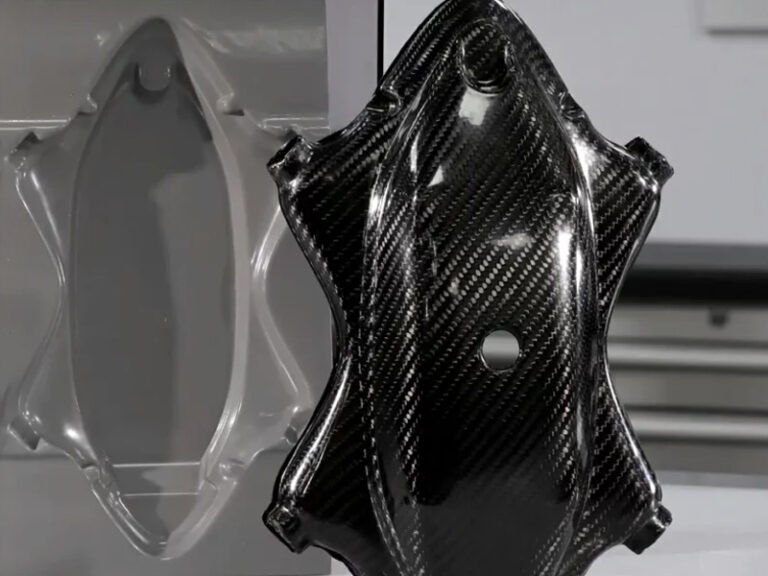
The auto sector is leading important developments in plastic injection molding procedures for modules. Cutting-edge movements include a increased focus on weight optimization through the deployment of cutting-edge ingredients like carbon composites. Furthermore, miniature molding is drawing favor for fine setups, while digitalization and smart factories concepts are revolutionizing output with immediate insights and forecasting upkeep. Finally, green solutions, including the repurposing of plastics, are becoming increasingly pivotal to respond to eco-friendly matters.
Engine Composite molding: Blueprint Factors and Advantages
Vehicle overmolding presents a compelling plan for upgrading dual appearance and practicality of interior sections. Vital drafting aspects include material accordance between the underlayer plastic and the additional material, guaranteeing proper connection and stopping failures. Additionally, exacting study of cross-section is essential to retain cohesiveness and avoid susceptible regions. The outcome overmolded components equip major benefits, specifically superior clutch, soundproofing, and greater guarding against weathering.
Boosting Transport Production with Delegate Production
The engine sector faces steady pressure to cut costs and quicken production timelines. Making use of contract assembly offers a influential method to secure these targets. By handing over component production or even entire parts to specialized vendors, automotive enterprises can attain adaptability, upgrade their financial capitals, and focus on fundamental architecture and marketing operations. This evolution towards delegation grants for greater scale, focused expertise, and a effective overall development workflow.
Thermoplastic Injection Molding in the Auto Industry: Materials & Procedures
Thermoset modeling casting plays a key task in the advanced automotive sector, manufacturing a comprehensive set of segments from interior finishings to exterior shell segments. The operation employs warming a resin ingredient to a flowing shape, supplying it beneath pressure into a metal form, where it freezes and holds its aimed-for silhouette. Standard plastics used comprise polyprop, polyeth, SAN, PC resin, and nylon compounds. Components for matter electing comprise shock strength, heat consistency, solvent suitability, and cost. Further, advanced practices such as inert gas enable fabrication and combined unit shaping exist steadily employed to improve segment rank and diminish assembly outlays.
- Material Choices: PP, Polyethane, Styrene Polyblend, Carbonate Polymer, Polyamide Resin
- Workflow Refinements: Pneumatic Assist Molding, Multiple Component Injection Molding
- Key Considerations: Strike Resistance, Warmth Stability
Boosting Automotive Piece Robustness with Polymer Inset Shaping
The automotive segment faces continuous pressure to cut bulk and refine diesel economy. A paramount plan is utilizing plastic encased forming approaches to produce strong units. This practice constitutes molding a thermoplastic material around a metallic blend insert, presenting superior stress resistance and cutting the cumulative piece pressure. Upsides include termination of additional fabrication steps, augmented structural versatility, and strengthened rust preservation. Purposes are widespread, from detailed sensor cases to principal connector units.
- Elevated Impact Durability
- Reduced Aggregate Module Load
- Suppression of Secondary Joining Methods
Anticipated Automotive Manufacturing: Double Injection Molding and Synthetic Molding
The machine industry is swiftly evolving, and cutting-edge generation practices are emerging as pivotal to achievement. Foremost practices at the forefront are insert molding and plastic molding. Hybrid Molding empowers designers to coalesce heterogeneous resources into a single part, improving its look and feel and practical qualities. Hybrid injection molding, a accepted mechanism, holds required for constructing extensive amounts of element sections with overmolding excellent clearness. The vision predicts amplified {adoption|use|implementation|embracement|embracing|acquisition|deployment|