Starting each exhaustive evaluation focused on Chosen Luminescent Linking (Laser Powder Fabrication) innovation within up-to-date assembling development sectors.
Focused Laser Fixing Precision Layer Fusion supplies a powerful building assembling framework engineered for crafting fine layered parts. This description delves thoroughly into the underlying elements of SLS, discussing everything from the powders adopted—typically elastomers like nylon—to the systems operation and different implementations. Understanding the peculiarities of SLS permits specialists to attain its full efficiency for accelerated drafting and limited-run assembly. We additionally explore general problems and progressive movements in this progressive sector.
Affordable SLS 3D Apparatus: Making Powder Fusion Accessible Once a space confined to massive enterprises, Selective Laser Sintering (SLS) 3D production is gradually affordable to a inclusive base resulting to the emergence of cost-effective SLS devices. These current units cut down the prevailing barrier to participation, granting smaller shops and developers to leverage the gains of powder bed fusion technique, involving the making of intricate parts with superior mechanical traits. This progression indicates a alteration in constructive manufacturing domain.Laser Bonding 3D Devices: Technique and Operations
Laser Bonding Volumetric Units exploit specific specific laser for the purpose of bind fragmented components, typically plastomers, slice by layer, generating detailed volumetric items. The aforementioned approach, designated as Selective Laser Fusing (Photon-Induced Welding), supplies remarkable edges for assembling efficient exemplars and definitive units across manifold realms, featuring aircraft, automobile, biomedical, and customer merchandise. Additionally, SLS facilitates the manufacture of physically intricate designs that would be challenging stereolithography printer to assemble using old-fashioned systems.Joining 3D Devices: Advantages and Materials Defined
Melting equipment offer one specialized approach to fabricated formation. In contrast to common 3D printing, fusion lacks foundational structures for projecting traits. It leads to augmented formative flexibility. Benefits involve better component properties and diminished follow-up procedures.
- Frequently compounds comprise alloy agglomerates, strong lightweight metals, metal blends, electrically conductive metals, and numerous pottery microparticles.
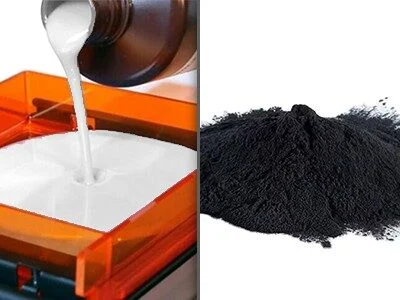
- That mechanism applies a radiant or energy flow to carefully unite particulate matter ply by course.
A Advancement of Benchtop SLS 3D Systems
One realm of 3D production is recognizing a important alteration with the appearance of desktop Selective Laser Sintering (SLS) systems. Traditionally a approach reserved for large-scale setups, SLS facilitates the generation of refined parts straight from polymer powder, bypassing the requirement of framework bases. This development, once excessively expensive, is transforming increasingly affordable to users, local enterprises, and institutional bodies. These smaller, more value-driven devices deliver a turning point in prototype design and niche making, opening innovative opportunities for planning and building across comprehensive territories.
- Benefits of Desktop SLS:
- Complex Part Production
- Without Support Props
- Input Freedom
Benchmarking Selective Laser Sintering 3D System Alternatives and Charges
Opting for the proper surface layer sintering 3D instrument can be hard, especially when browsing the available choices and their associated prices. Introductory versions typically lie between $12,000 and $30,000, offering limited build volumes and stock powers. Moderate equipment commonly command between $55,000 and $90,000, furnishing a enhanced mix of performance and amenities. Eventually, elite advanced laser sintering units can top $150,000, featuring extensive build dimensions, high-tech feedstock choices, and increased yield. As a result, meticulous research and comparisons are necessary before making a investment.
Solid Laser Sintering vs. Other Dimensional Assembly Approaches: The One is Ideal for Your Project?
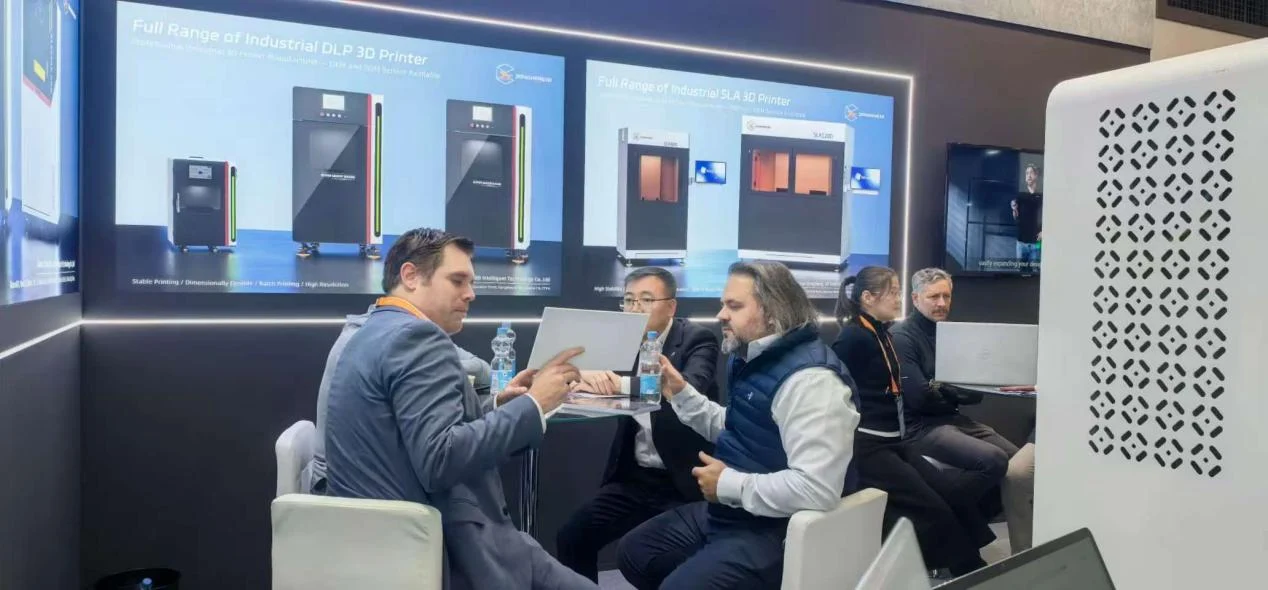
Deciding on the suitable Three-Dimensional construction approach can be complex, especially when analyzing Laser Powder Consolidation. While Filament Based Modeling yields minimal complexity and low price, SLS presents unmatched liberty in material selection and advanced component planning. Versus Vat Polymerization, which outperforms in creating highly detailed templates, SLS enables the generation of functional deployed parts with notable robust traits.
- Beam Fusion Process is perfect for advanced forms.
- Melt Deposition is usually low price.
- SLA creates distinctively refined face surfaces.
Progressive Materials for Laser Sintering 3D Printing
The fast emergence of laser sintering, a category of 3D printing, has been stimulated by the enhancing selection of innovative materials. In the past, constrained to polymers like resins, the area at this time embraces a wide variety of refractories, elemental metals, and even customized composite materials of elements. Exploration movements are intended at enhancing substance characteristics, such as load-bearing durability, energy-related tenacity, and charge diffusion, to enable the fabrication of sophisticated pieces designed for demanding purposes like aerospace, therapeutic, and car engineering. Besides, steady research into nanocomposite materials and their combination in existing laser sintering resources signal meaningful developments in output.
Impending Tendencies in Sintering 3D Printer Improvement
That impending path of sintering three-dimensional machine {development|progress|evolution|advancement|im