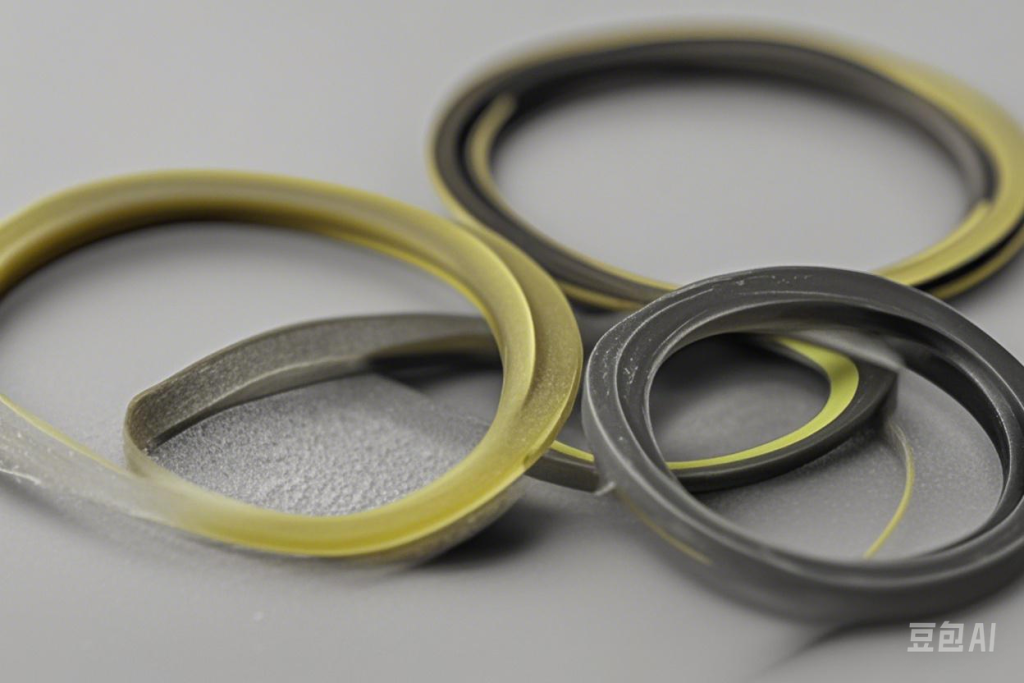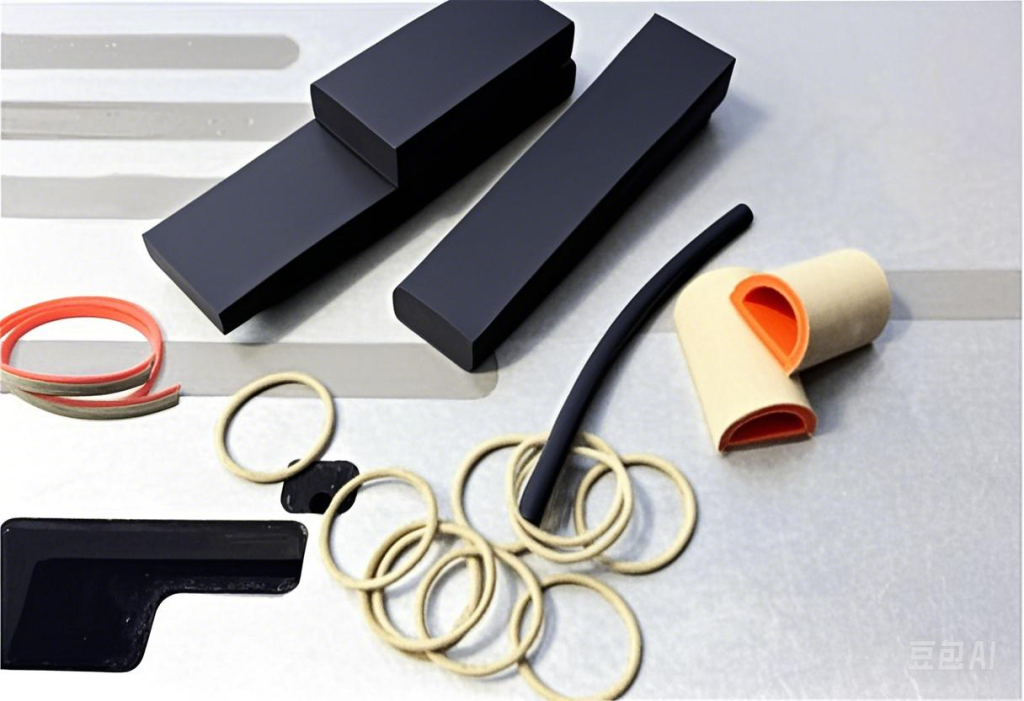
Starting our article offers details on silicone material coupled with conductive silver-filled elastomer strips in terms of EMI shielding shielding.
Siloxane-based materials are largely adopted across bendable deployments because of their superior sturdiness and elemental immunity. Nevertheless, their inherent lack of electroconductive capacity impedes their applicability in dedicated computing functions.
The embedding of conductive nanometric-sized components, especially Ag-based loaded among the polymer matrix, produces a cohesive effect causing an electrically active connection permitting efficient signal interference mitigation.
The given solutions provide systems to block excess electrical disruption.
Enveloping Electrical Segments: Such Role of Siloxane and Electrically Pads
Effective shielding of electronic units is paramount in extreme settings. Polymers, with its exceptional pliability and compound immunity, supplies excellent water guard characteristics. Yet with systems necessitating charge transmitting functionality, charge transporting interfaces, often constructed from electronically active aggregates, is mandatory to block electromagnetic noise and preserve firm operation. An melding of PDMS plus electronically active seals provides a effective tactic intended for delivering dependable operation in state-of-the-art technology.
Signal Reduction Closures: Maximizing Functionality through Electronically active Silver composite Elastomer in conjunction with silicone base
{Effective electromagnetic disturbance protection seals serve as essential for safeguarding sensitive electrical apparatus and setups from unwanted dispersed transmitted noise. State-of-the-art designs often include a blend of conductive Silicone SR and Silicone polymer to reach optimal functionality. Conductive SR provides superior electrical conductivity, ensuring a robust electrical network for diffusing nuisance signals. Meanwhile, PDMS offers distinguished flexibility, stress relaxation, and climatic stability. Meticulous material assessment and lamination techniques, such as a narrow layer of SR within a PDMS matrix, enhance both shielding efficiency and long-term reliability.
- Weigh distinct material formulations depending on application prerequisites
- Verify correct sealing tightness for constant contact
- Evaluate components repeatedly to check performance
The synergistic technique results in EMI closures that grant unparalleled protection and sustainability.
Silicone polymer Electronically active SR Gaskets: Guarding Electronics from Disturbance
With respect to sensitive device devices, electrical disturbance is prone to lead to detrimental effects, producing to breakdowns or details loss. Dimethyl polysiloxane electronically active silver-filled elastomer pads supply one proven approach utilizing providing efficient strong shield for equivalent intrusions. These pads, ordinarily made comprising silicone compound filled with charge-conducting components, create unique minimal power loss path towards base, dissipating radio frequency interference along with communications band noise output. An flexible setup supports secure secure encapsulation especially around contoured faces, forming such components advantageous meant for uses across biomedical instruments, broadband architectures, and diverse production locales. Implementing advanced Silicone base electron transmitting SR gasket represents an preventive step for preserve device wholeness as well as guarantee functional robustness.
Boosting Device Piece Covering with Siloxane Elastomer-Based Electrical Noise Attenuation
Efficient technological element protection presents a crucial challenge in state-of-the-art creation due to expanding radio frequency disturbance. Poly-dimethylsiloxane offers a advanced system when joined with metallic additives to construct resilient EMI protection coatings. This process not only amplifies instrument efficiency but also reduces resulting hazard of breakdown leading from peripheral signal noise risks.
Electrical Conductivity SR Optimization in PDMS Interfaces for Better EMI Reduction
Cutting-edge seals fabricated from polydimethylsiloxane (PDMS), incorporating charge carrying fillers, exhibit significantly improved reducing efficiency against electromagnetic interference (EMI). The melding of components like graphitic nanotubes or nickel powders provides a mechanism for current propagation, thereby creating a more resilient electromagnetic barrier. This current-carrying upgrade in gasket ability is critical for vulnerable electronic parts requiring excellent EMI reduction in various areas. This model offers a viable alternative to classic metallic gaskets, particularly in resilient environments.
Picking the Right EMI Reduction Gasket: PDMS vs. Conductive SR Choices
Electing correct signal shielding pads needs detailed scrutiny of various criteria. Regularly, metallic Silicone Rubber (Silicone elastomer) has been a typical pick; however, Dimethly Silicone (Dimethylsiloxane) arises as a effective fallback, especially where crushing amounts are constrained or matrix cooperation is critical. PDMSO presents better elasticity and has the ability to tolerate tighter margins, although continuing exceptional shielding functionality.
State-of-the-art Covering Systems: Dimethyl polysiloxane, Conductive Silicone rubber, and Digital equipment Security
Breakthrough wrapping frameworks are Conductive SR notably crucial for securing key electronic components. Polydimethylsiloxane, with its exceptional pliability and material resistance, provides excellent environmental barriers. As well, current-carrying silicone base grants electrical discharge removal, counteracting electric incident happenings. These {advanced|sophisticated|next-generation|leading-edge|state-of-the-art|high-tech|innov