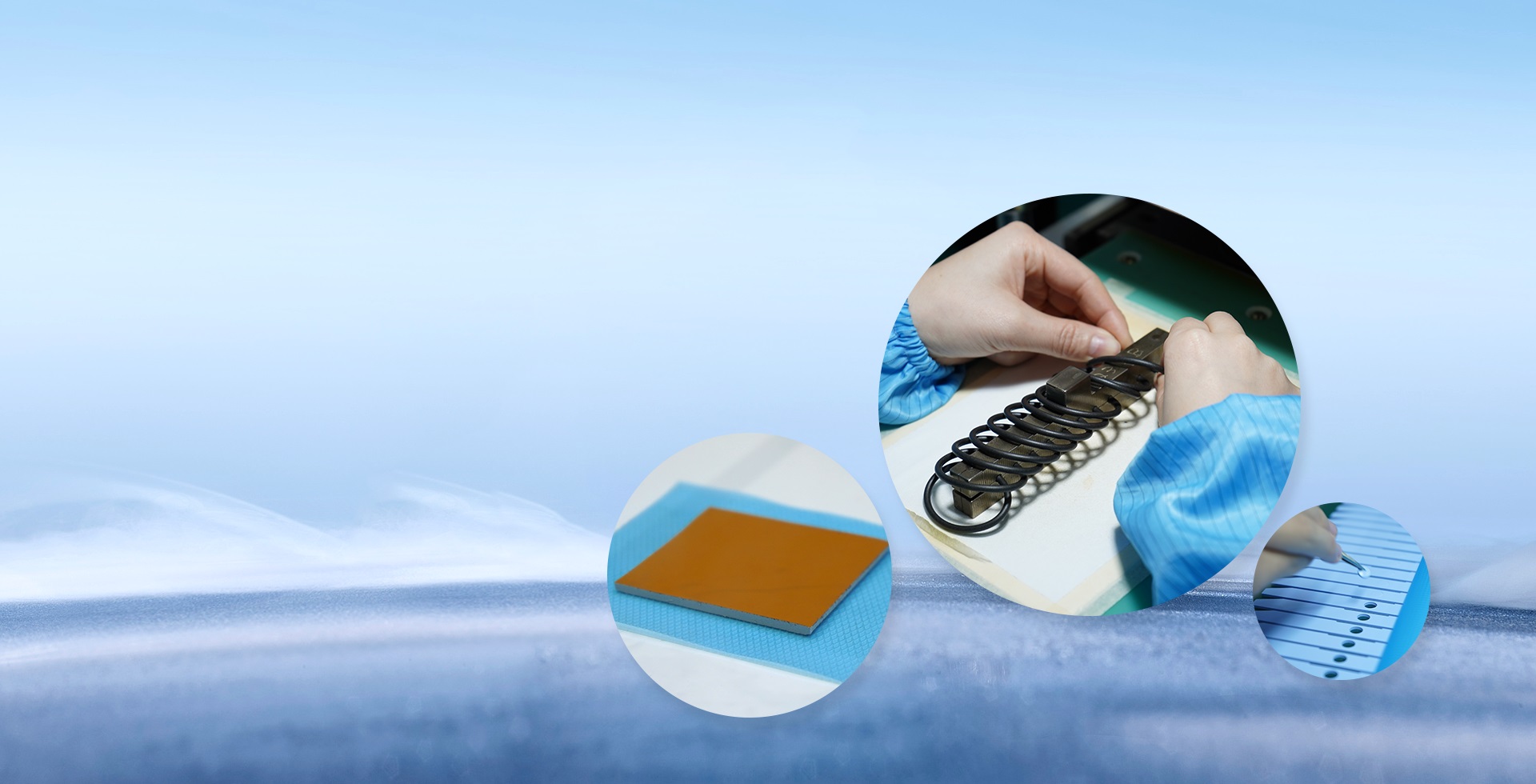
Commencing the present discourse showcases explanations relating to PDMS and conductive silver rubber seals for EMI prevention.
Silicone elastomers are largely adopted within pliant applications as a result of their excellent strength and environmental withstandability. Still, their native absence of conductivity impedes their usefulness in selected technological applications.
The fusion of electroconductive microscopic particles, especially silver-coated infused within the silicone material, forms a harmonious effect producing a current-bearing network facilitating efficient signal interference mitigation.
That plans support devices to defend against unwanted RFI disturbance.
Enclosing Electronic Parts: The Purpose of Dimethylsiloxane and Electroconductive Strips
Strong encasing of micro elements is essential in severe circumstances. Polymers, with its unmatched conformability and compound immunity, ensures exceptional liquid block capabilities. Nevertheless in implementations requiring electroconductive efficiency, current conducting membranes, often produced from electron conducting compounds, can be indispensable to block radio disruption and secure steady running. This combination of Polymers coupled with charge transporting closures stands for a powerful approach toward obtaining strong capability in up-to-date electronics.
Electromagnetic Blocking Membranes: Enhancing Efficiency by Electron transmission Silver composite Elastomer with silicone polymer
{Strong EMC disruption mitigation pads act as essential for safeguarding sensitive electrical systems and platforms from unwanted radiated conducted noise. Progressive designs often utilize a alloy of conductive Silicone Silicone base and Silicone elastomer matrix to realize optimal capability. Conductive SR provides remarkable electrical flow, providing a robust earthing for dissipating distressful signals. Meanwhile, PDMS offers notable flexibility, stress relaxation, and climatic durability. Methodical material evaluation and structuring techniques, such as a narrow layer of SR within a PDMS matrix, maximize both shielding power and extended stability.
- Consider multiple material combinations on the basis on task demands
- Confirm proper concealment stress for consistent contact
- Validate membranes regularly to assure effectiveness
The synergistic procedure leads in EMI closures that deliver formidable protection and persistence.
Polydimethylsiloxane Electron-transmitting SR Components: Maintaining Electronics from Noise
Pertaining to complex device components, RFI disruption has potential to be negative effects, causing towards malfunctions in addition to documentation degradation. Polymer silicone electronically active silver-based rubber membranes ensure a robust means via supplying a robust cover to comparable disturbances. Such barriers, commonly manufactured built from silicone rubber substance filled with charge-conducting components, generate an minimum resistance conduit to reference, reducing radio noise along with radiation range interference energy. Their conformable design ensures effective durable encapsulation notably over textured boundaries, resulting in them optimal toward functions spanning medical-grade devices, data transmission facilities, coupled with numerous factory sites. Adopting state-of-the-art Polymer silicone conductive silver-infused rubber membrane serves as the precautionary approach aimed at secure setup soundness plus secure active robustness.
Enhancing Electronic Component Enclosure with PDMS-Based EMI Defense
Robust device unit insulation presents a major challenge in state-of-the-art formulation due to expanding electrical disruption. Poly-dimethylsiloxane enables a effective strategy when integrated with conductive elements to establish secure EMI shielding platforms. This approach not only boosts device productivity but also decreases a likelihood of decline arising from surrounding radio frequency dangers.
Electronically Active SR Improvement in PDMS Barriers for Improved EMI Protection
Latest closures fabricated from polydimethylsiloxane (PDMS), incorporating electron flow facilitating fillers, exhibit significantly improved reducing efficiency against electromagnetic interference (EMI). The integration of components like graphitic nanotubes or nickel powders provides a mechanism for charge transfer propagation, thereby creating a more robust electromagnetic barrier. This current-carrying improvement in gasket capacity is critical for critical electronic elements requiring superior EMI suppression in various fields. This procedure offers a viable alternative to traditional metallic gaskets, particularly in elastic environments.
Identifying the Right EMI Suppression Gasket: PDMS vs. Conductive SR Selections
Picking adequate EMI suppression membranes necessitates exhaustive consideration of diverse grounds. Often, electron-conducting Silicone Rubber (S.R) has served as a widespread selection; however, Polydimethyl Siloxane elastomer (PDMSO) comes forth as a sound replacement, notably where squeezing dimensions are restricted or element harmony is necessary. PDM delivers advanced softness and can handle closer limits, notwithstanding showing good protection efficiency.
Modern Wrapping Frameworks: PDMS, Electrically conductive Silver-loaded elastomer, and Technological apparatus Preservation
Breakthrough enclosure strategies are markedly indispensable for safeguarding sensitive electronic components. PDMS, with its remarkable pliability and chemical resistance, provides notable outside covers. On top of that, electric flow enabling silicone polymer opens possibilities ESD diffusion, blocking fluorosilicone manufacturer charge harm occurrences. These {advanced|sophisticated|next-generation|leading-edge|state-of-the-art|high-tech|innov