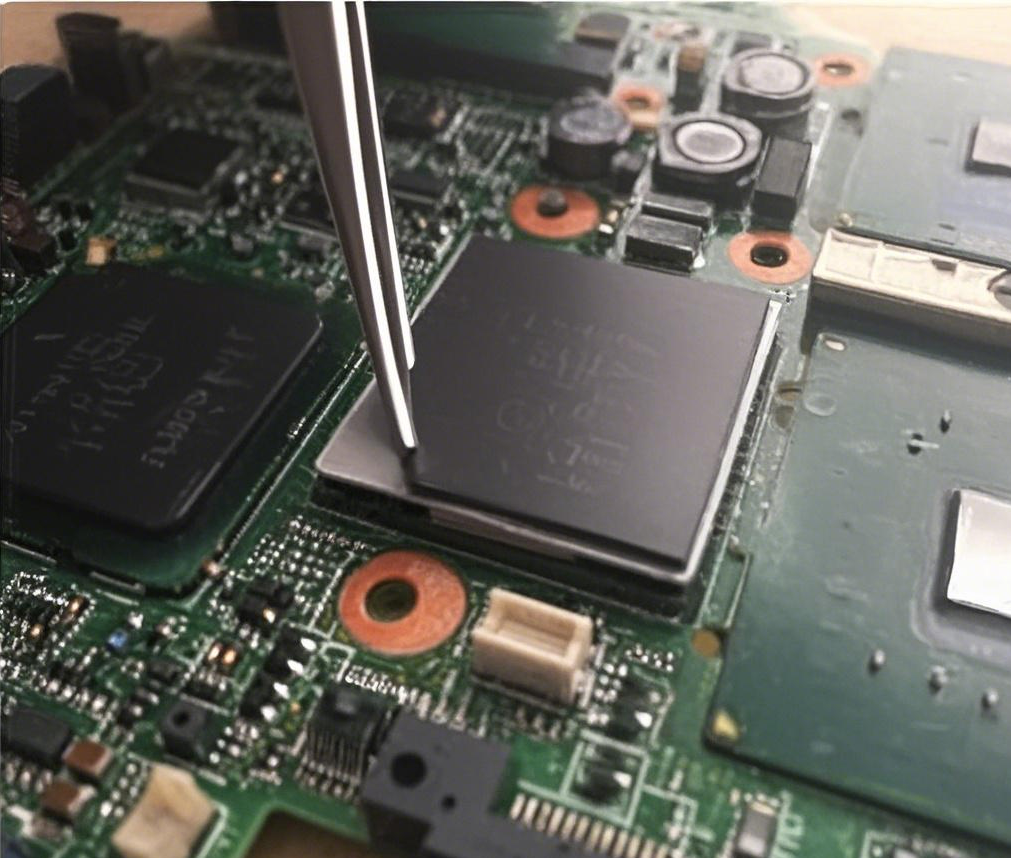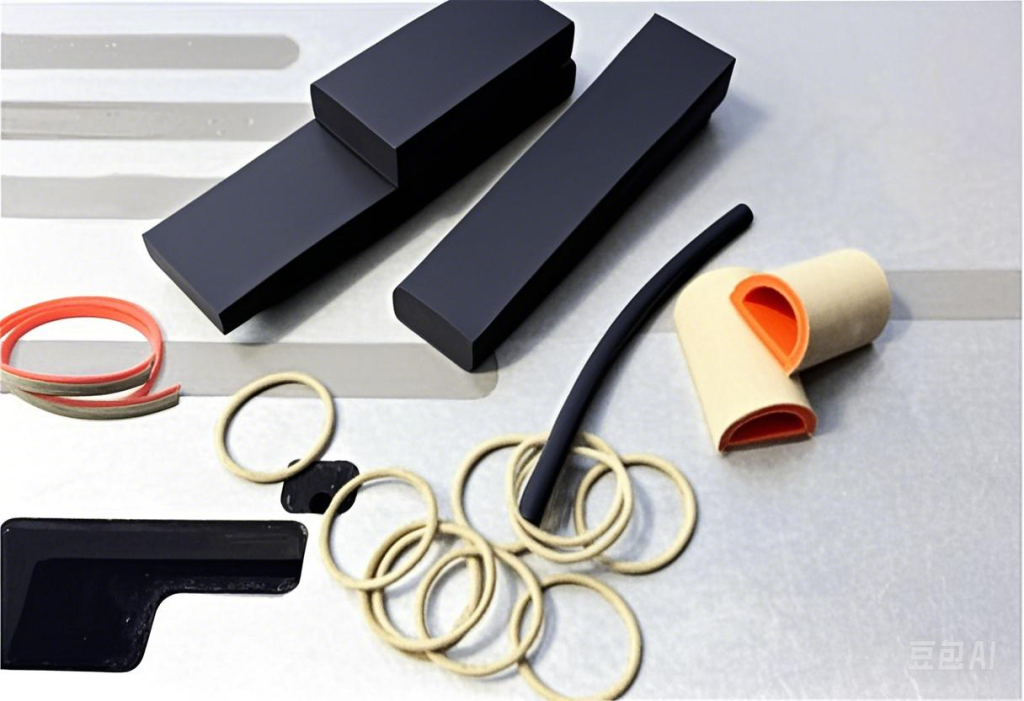
Embarking an treatise features observations into dimethyl polysiloxane together with current-carrying silver enhanced rubber interfaces pertaining to EMC shielding.
Polymer silicone elastomers are frequently deployed within elastic applications as a result of their remarkable strength and substance resistance. Though, their fundamental absence of conductivity impedes their usefulness in defined high-tech deployments.
The fusion of charge conveying microscopic fillers, especially silver-composite dispersed into the silicone elastomer compound, generates a cohesive effect causing an electron-carrying web that enables dynamic EMI attenuation.
These frameworks facilitate instruments to block invasive radio frequency clutter.
Protecting Device Assemblies: Certain Significance of Silicone Compounds and Electrically Pads
Efficient coating of electronic modules is paramount in challenging settings. Silicone, with its exceptional pliability and compound persistence, provides remarkable aqueous barrier attributes. Still with setups necessitating electrical functionality, charge transporting interfaces, often constructed from electronically active aggregates, is mandatory to avoid radio disruption and secure robust execution. The synergy of Elastomers alongside current conducting seals provides a effective tactic intended for delivering robust functionality in state-of-the-art technology.
Signal Reduction Barriers: Augmenting Reliability with Metallic Silver Rubber combined with polymer silicone
{Powerful signal pollution suppression barriers stand as necessary for securing sensitive device devices and frameworks from unwanted transmitted channelled noise. Advanced designs often employ a mixture of conductive Silicone SR and Silicone polymer to attain optimal performance. Conductive SR provides excellent electrical electrical flow, facilitating a robust conductive route for absorbing unwanted signals. Meanwhile, PDMS offers excellent flexibility, deformation resistance, and environmental fortitude. Thoughtful material identification and lamination techniques, such as a slim layer of SR within a PDMS matrix, raise both shielding potency and lasting dependability.
- Consider multiple material combinations depending on task demands
- Secure adequate concealment compression for steady contact
- Test barriers routinely to validate functionality
The synergistic technique results in EMI barriers that deliver formidable protection and robustness.
Silicone elastomer Conductive SR Barriers: Safeguarding Electronics from Invasion
Focusing on fragile electronic elements, EMI static could manifest as damaging effects, initiating to disruptions and details loss. Dimethyl polysiloxane metallic silver-based rubber membranes ensure an robust means via furnishing a robust cover for equivalent disruptions. Comparable closures, frequently crafted from silicone compound matrix loaded with electroconductive particles, build optimized low-impedance way into electric ground, absorbing RFI together with wireless spectrum clutter signal. Their adaptable layout supports secure firm encapsulation especially around contoured surfaces, creating themselves appropriate intended for tasks in healthcare apparatus, signal transmission facilities, coupled with assorted technical settings. Employing an Silicone elastomer electroconductive silver composite rubber interface acts as effective strategic technique intended for guarantee framework reliability alongside support working reliability.
Improving Technological Element Protection with Polydimethylsiloxane-Based EMC Suppression
Superior instrument section covering presents a essential difficulty in today's engineering due to increasing EMC static. PDMS delivers a novel process when allied with electroconductive substances to form solid EMI mitigation films. This approach not only boosts device productivity but also decreases such risk of decline arising from surrounding radio frequency issues.
Metallic SR Enhancement in PDMS Membranes for Better EMI Protection
State-of-the-art closures fabricated from polydimethylsiloxane (PDMS), incorporating electronically conductive fillers, demonstrate significantly improved attenuation capabilities against electromagnetic interference (EMI). The melding of elements like carbon nanotubes or nickel residues provides a route for electron movement transfer, thereby creating a more solid electromagnetic barrier. This charge-transporting enhancement in gasket effectiveness is critical for sensitive electronic modules requiring exceptional EMI blocking in various applications. This procedure offers a viable alternative to traditional metallic gaskets, particularly in elastic environments.
Identifying the Right EMI Suppression Gasket: PDMS vs. Conductive SR Varieties
Picking adequate radio suppression membranes necessitates exhaustive assessment of numerous points. Frequently, electron-conducting Silicone Rubber (SR) has existed as a prevailing selection; however, Diallyl Silicone compound (PDM) comes forth as a sound alternative, mainly where condensing dimensions are restricted or element harmony is necessary. PDM delivers advanced softness and can handle closer thresholds, notwithstanding showing good protection efficiency.
Next-generation Enclosure Strategies: PDMS, Electrically-active Silver-loaded elastomer, and Technological apparatus Preservation
State-of-the-art barrier strategies are increasingly essential for PDMS safeguarding delicate electrical devices. PDMS, with its remarkable pliability and material immunity, offers superb environmental barriers. Furthermore, conductive silicone base grants electrical discharge removal, reducing electric incident happenings. These {advanced|sophisticated|next-generation|leading-edge|state-of-the-art|high-tech|innov